Free shipping on orders of 500 PLN+ in PolandReturns up to 14 daysWarranty of authenticity
The Nike Air Max 1 is the model that launched the line of shoes featuring a visible Air gas cushion. The collection features classic colorways, Air Max 1 ’86 Big Bubble versions, and collaborations with Travis Scott, Patta, Supreme, and Concepts. The lineup includes both understated Essential editions and more collectible variants with modified materials, graphics, and details.
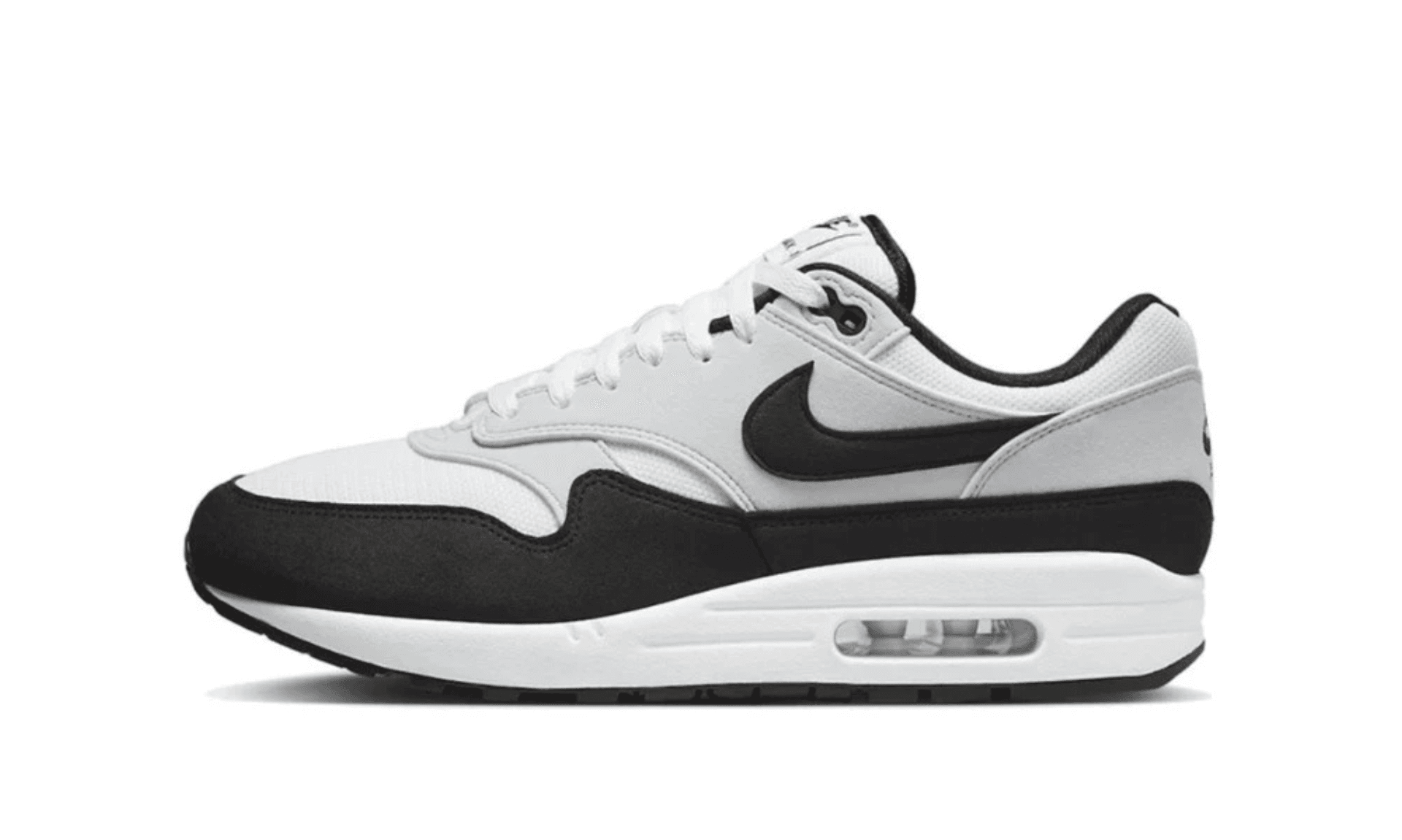
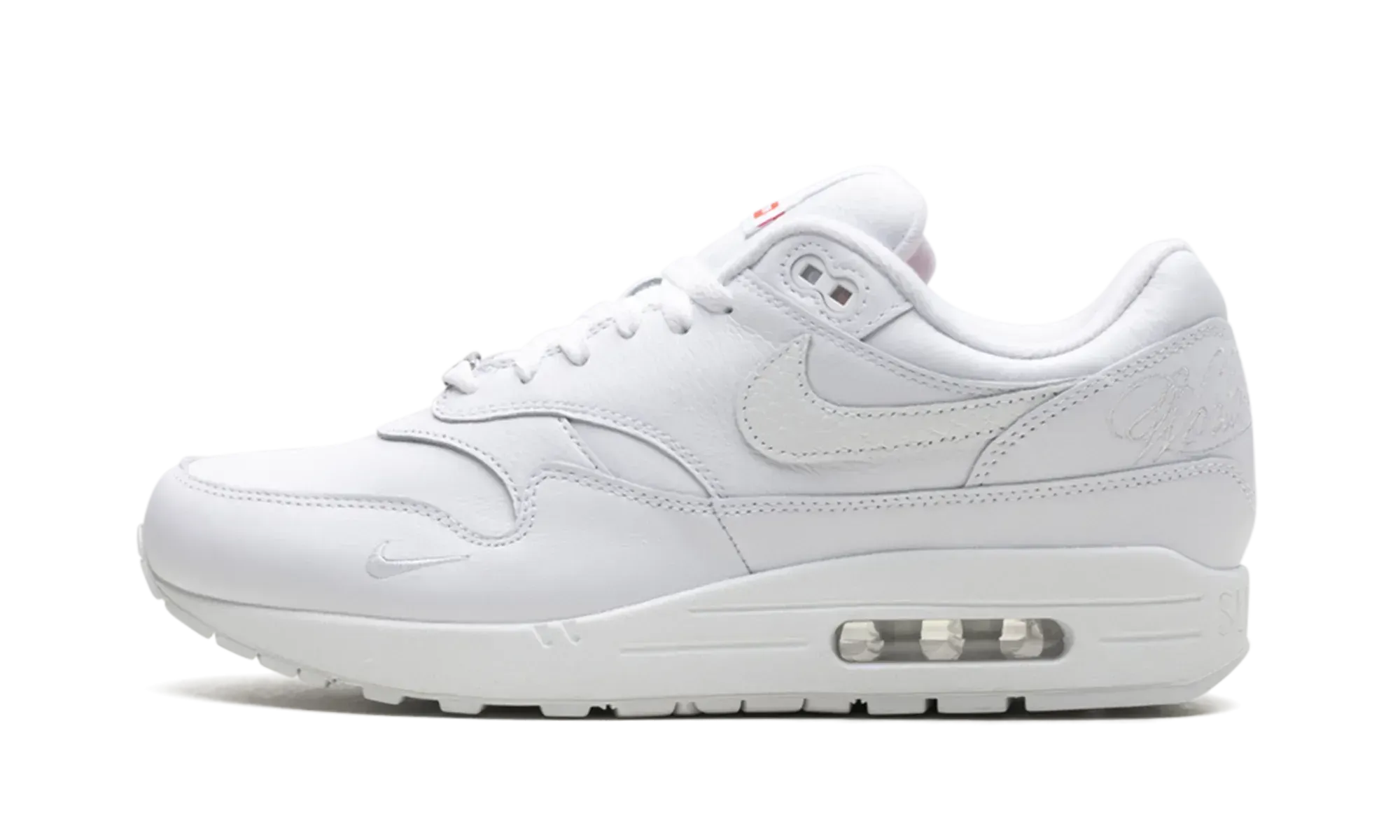
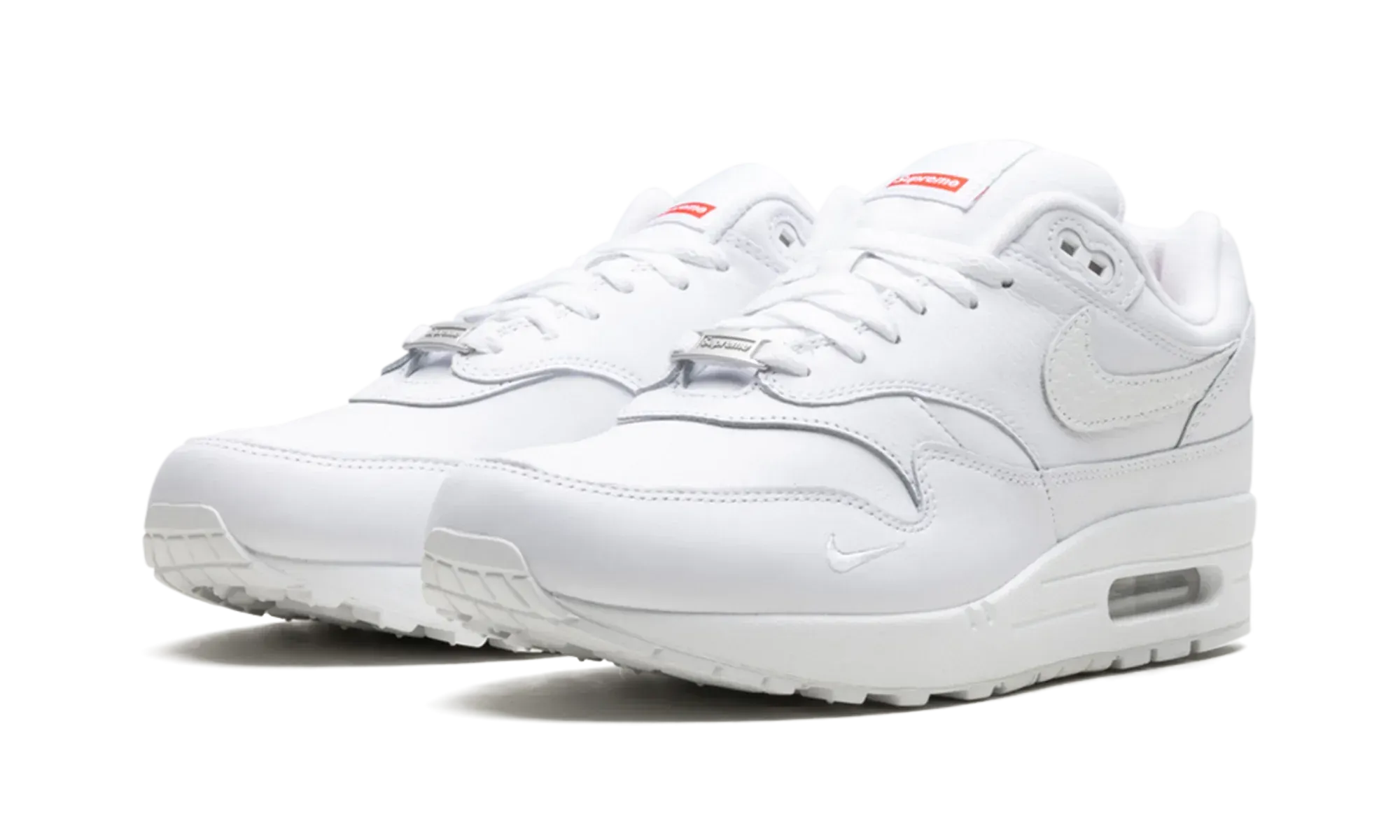
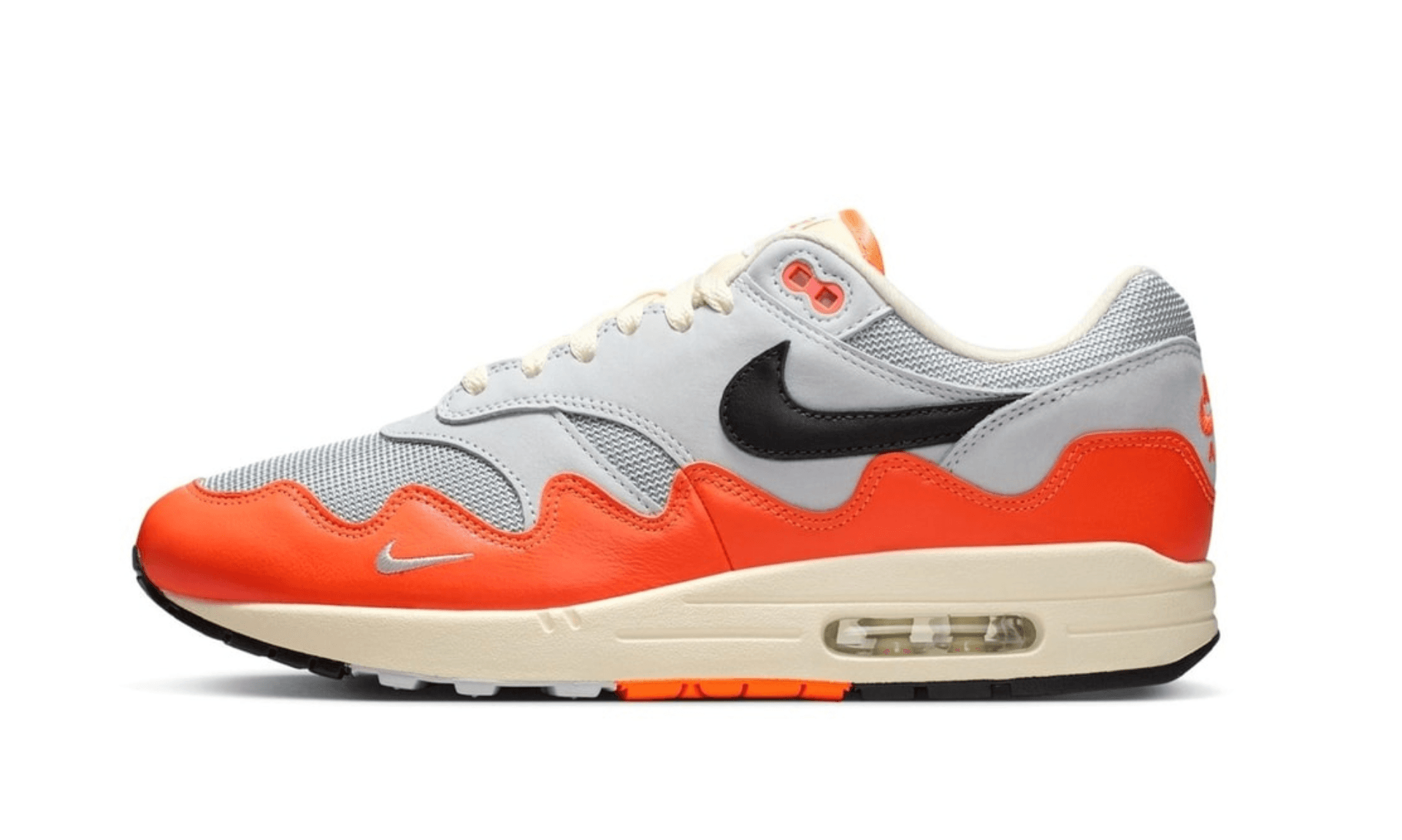
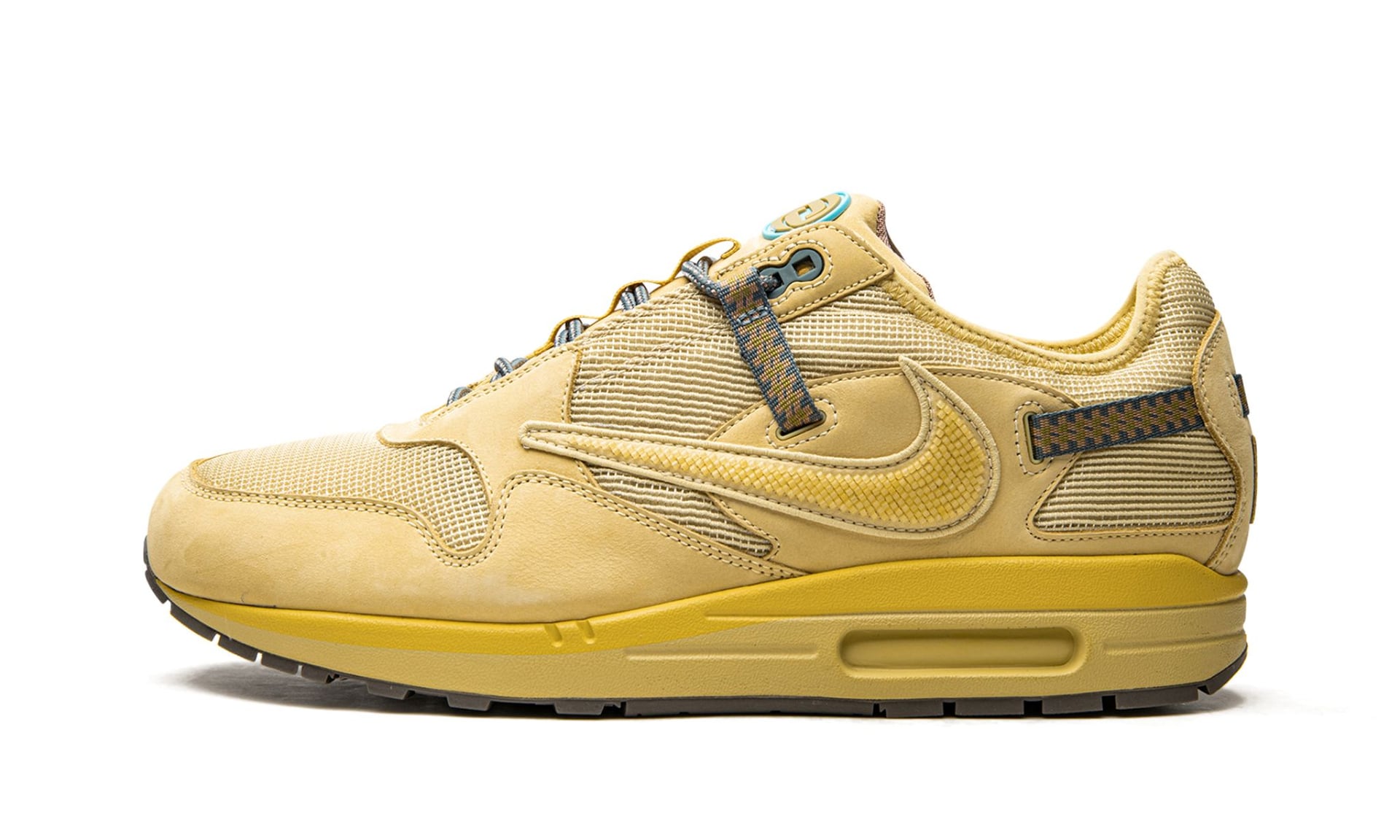
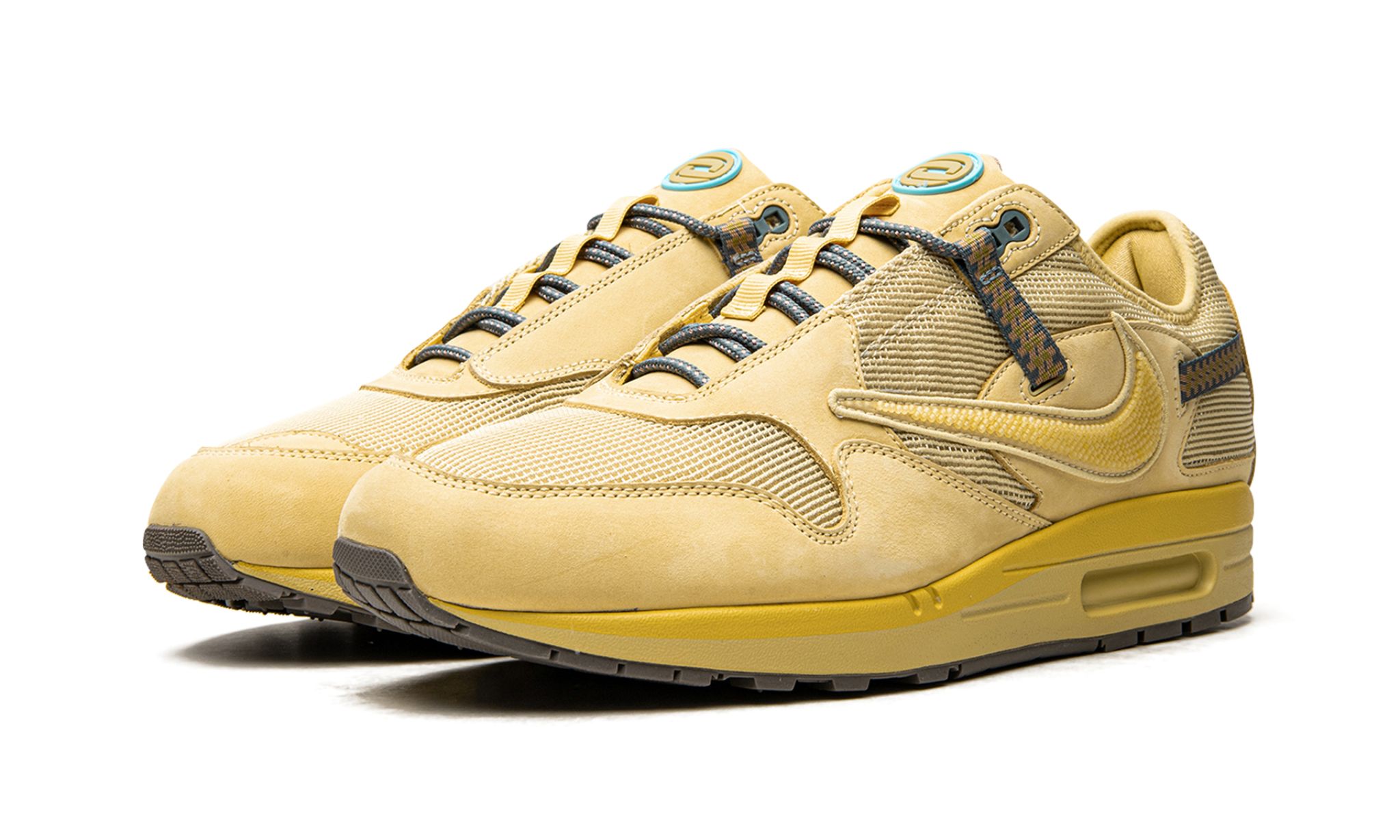
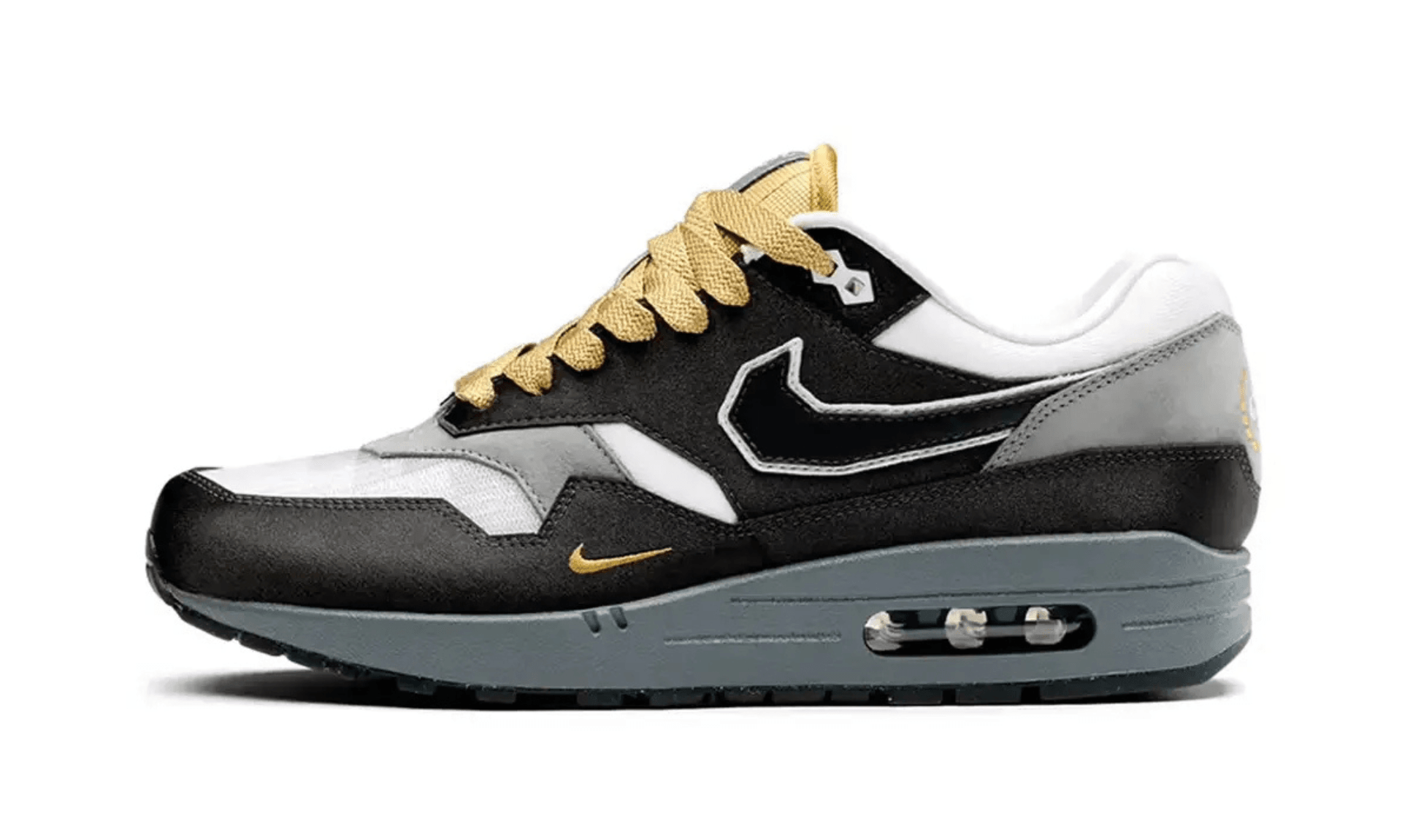

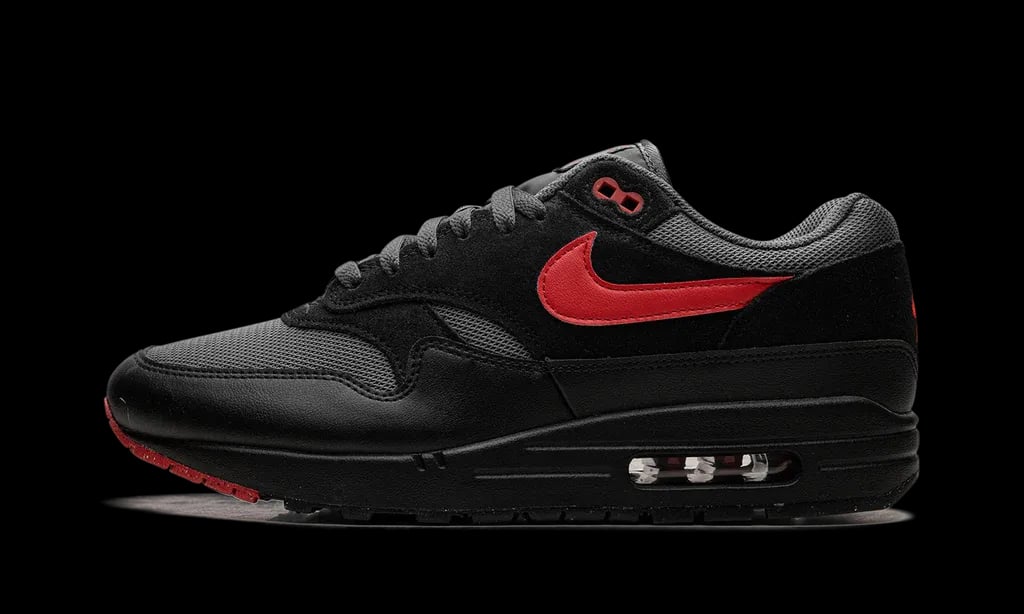
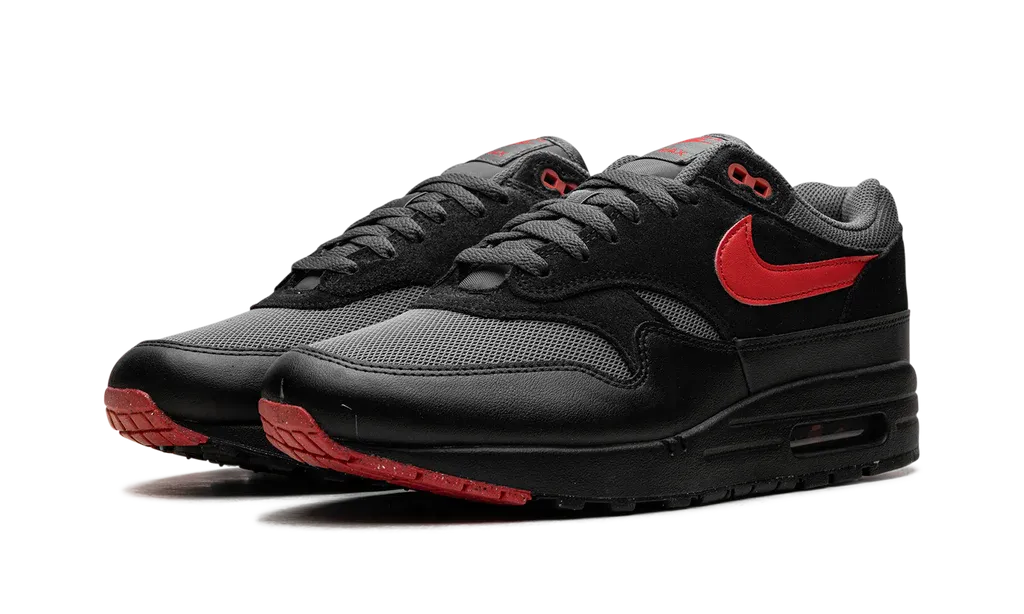
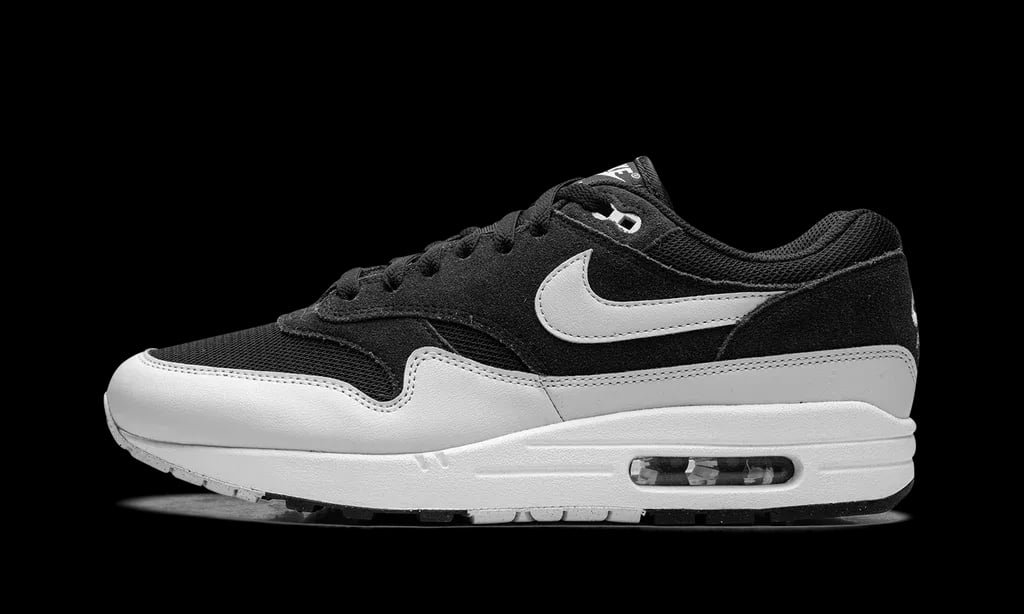
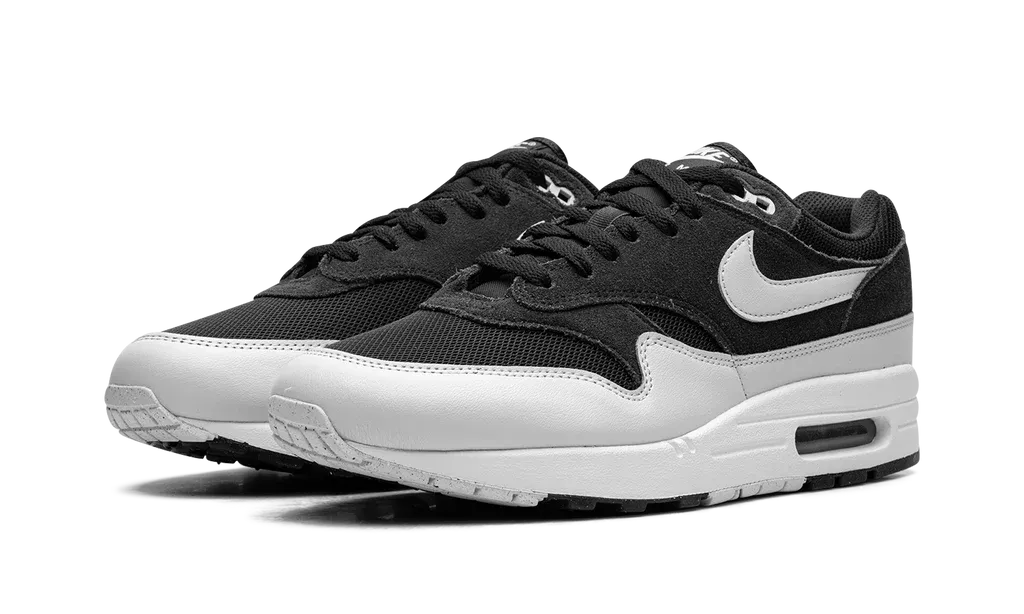
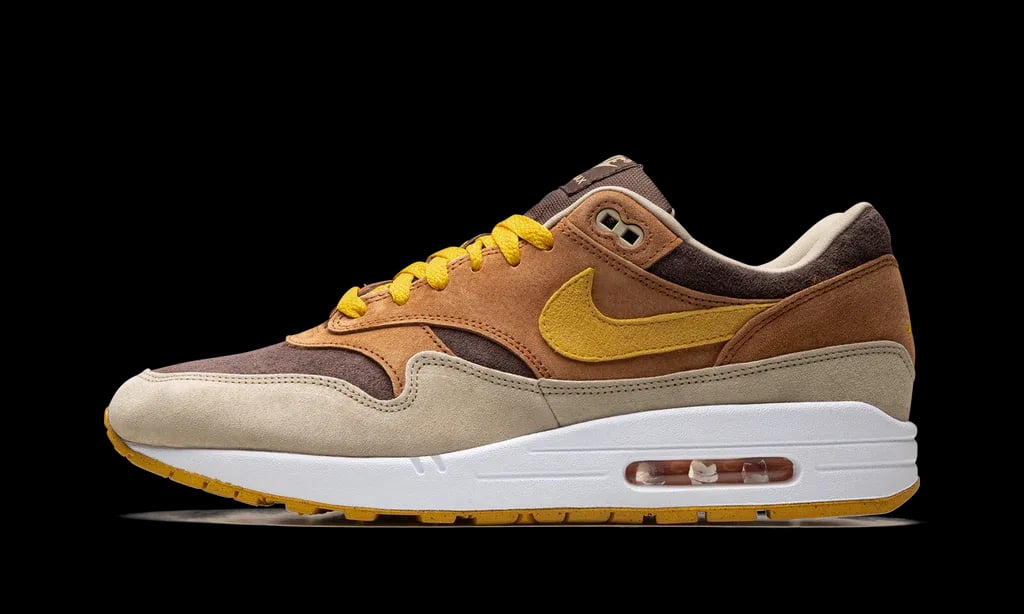
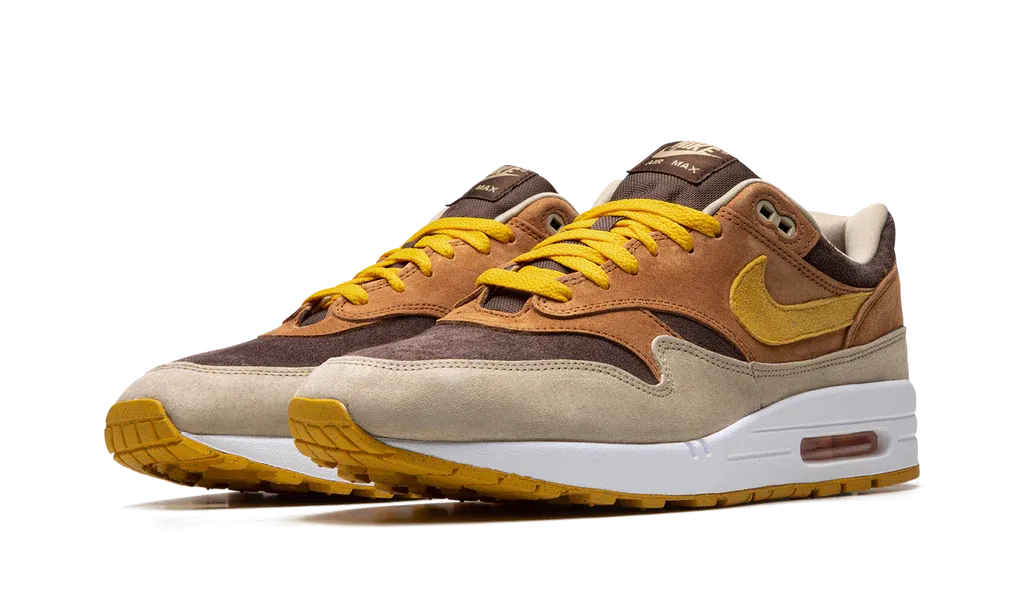


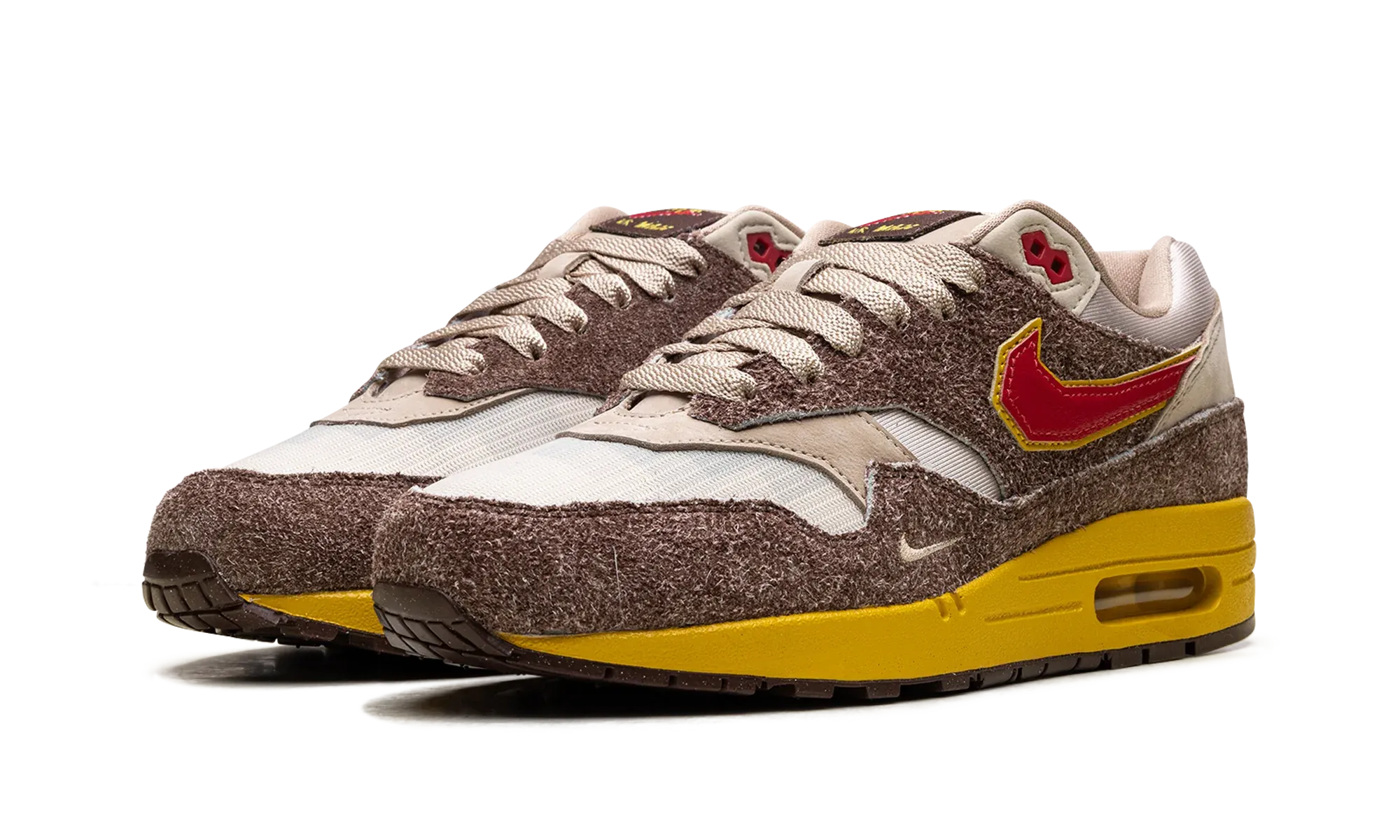

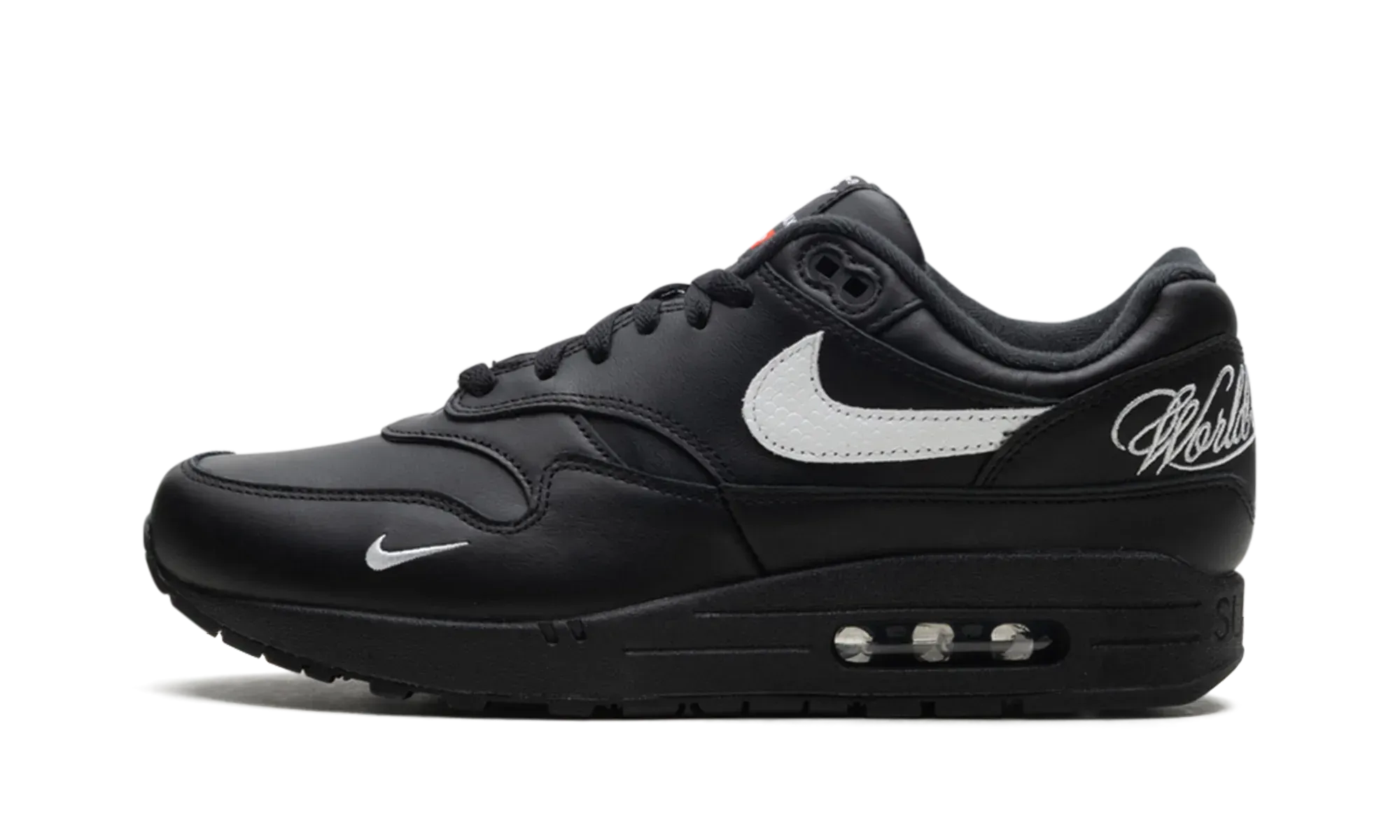
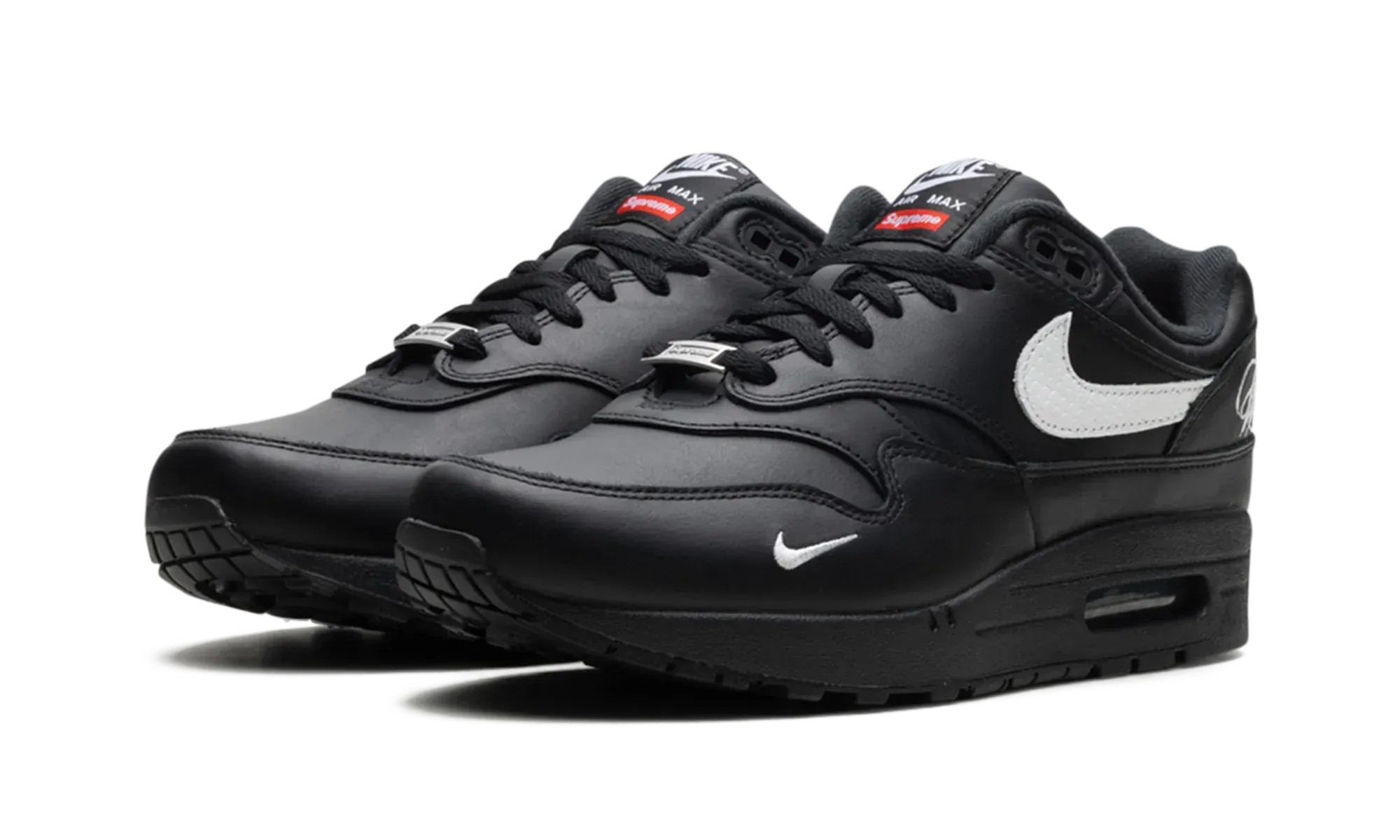
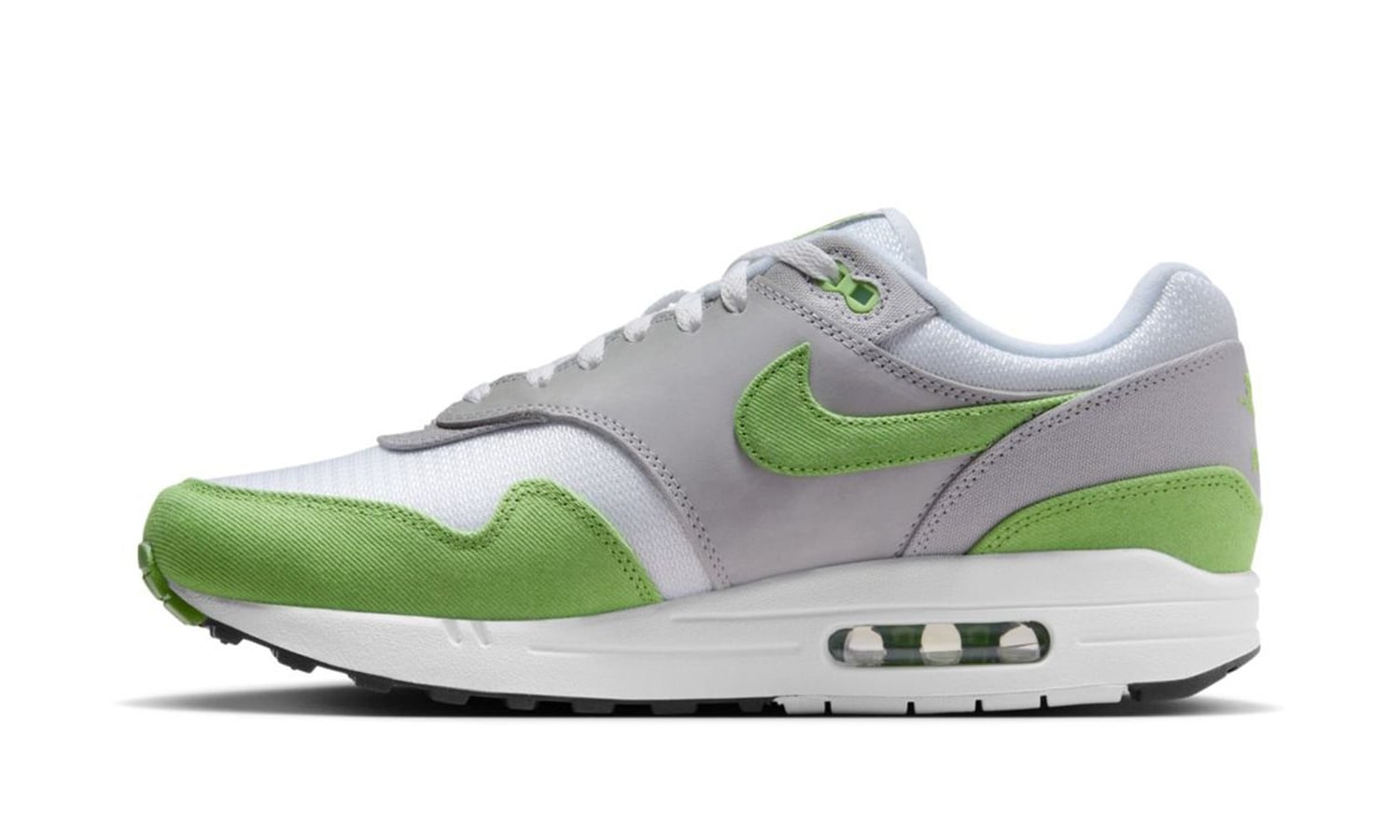
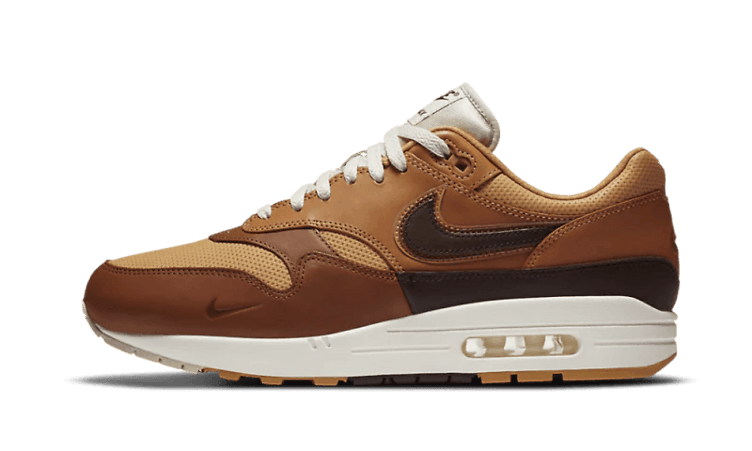
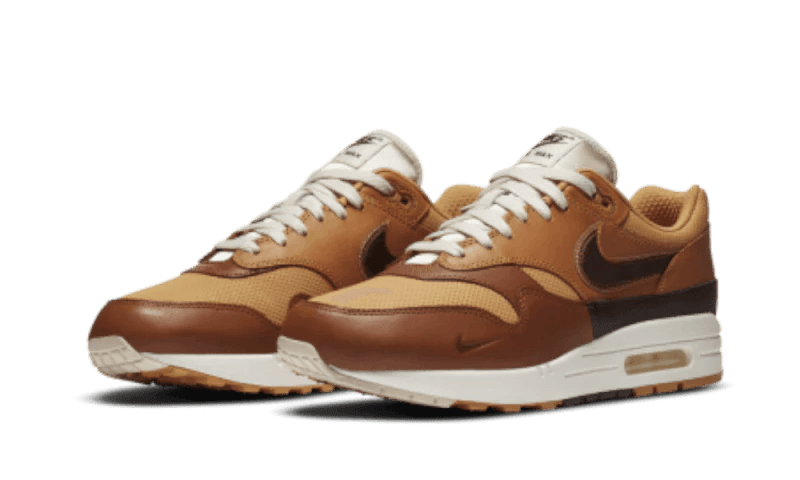
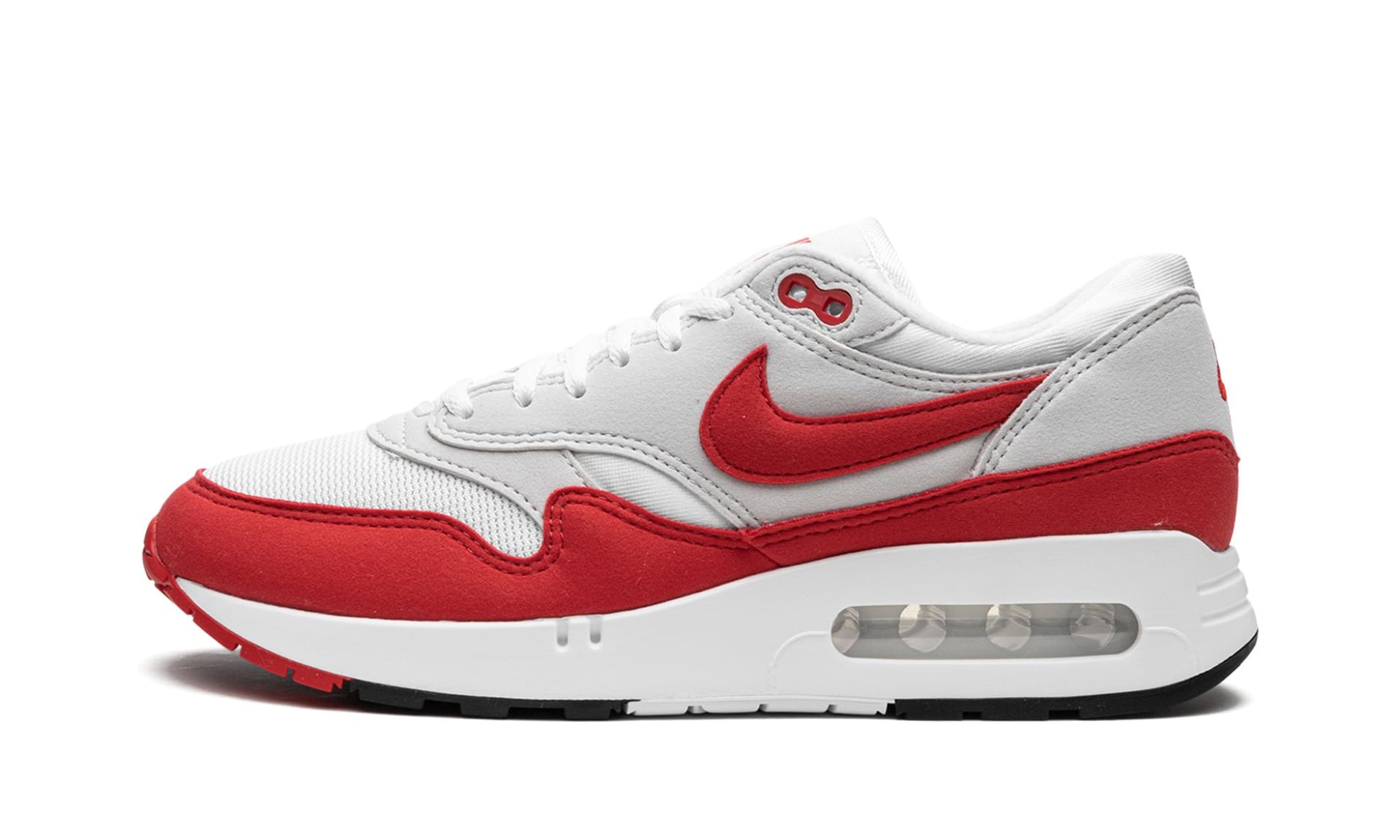
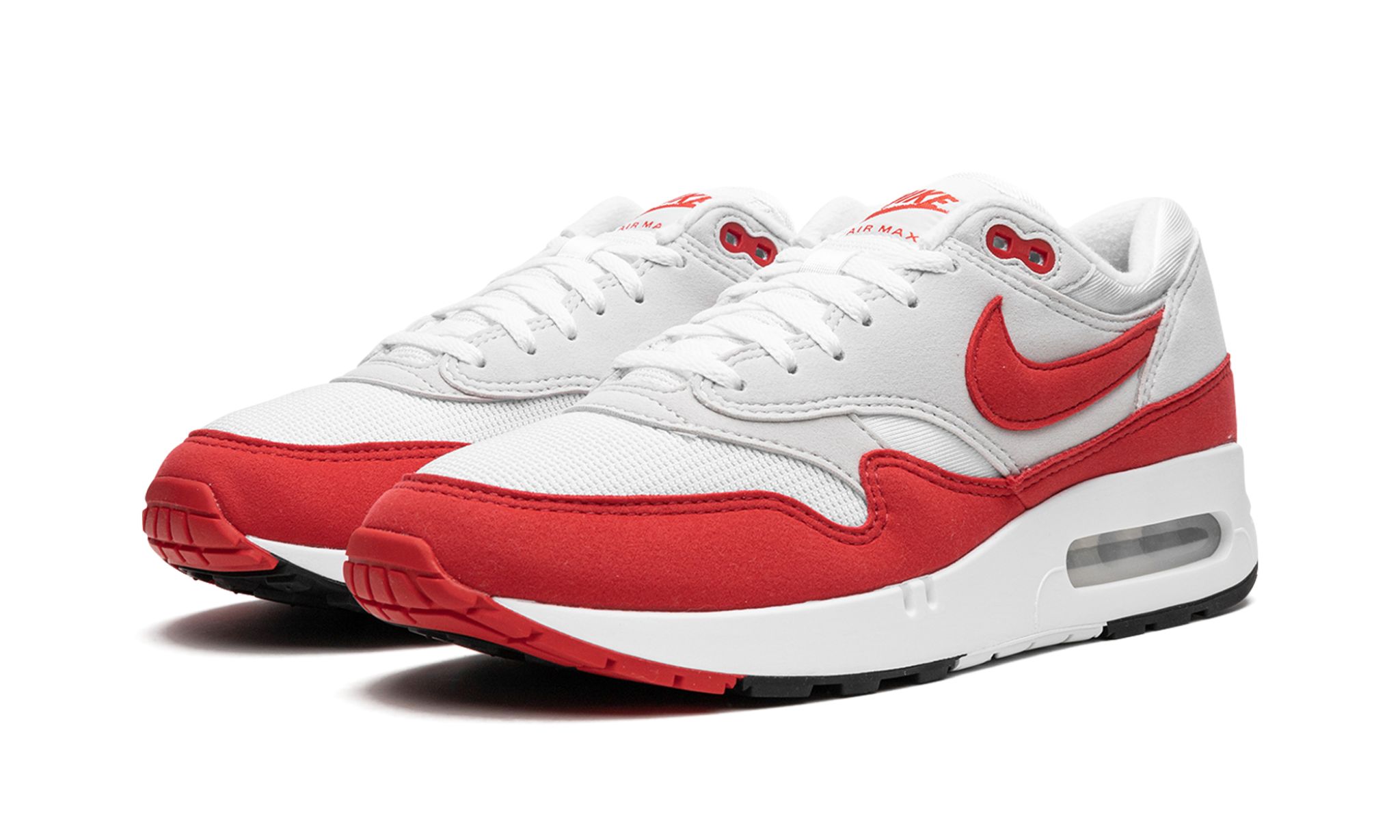
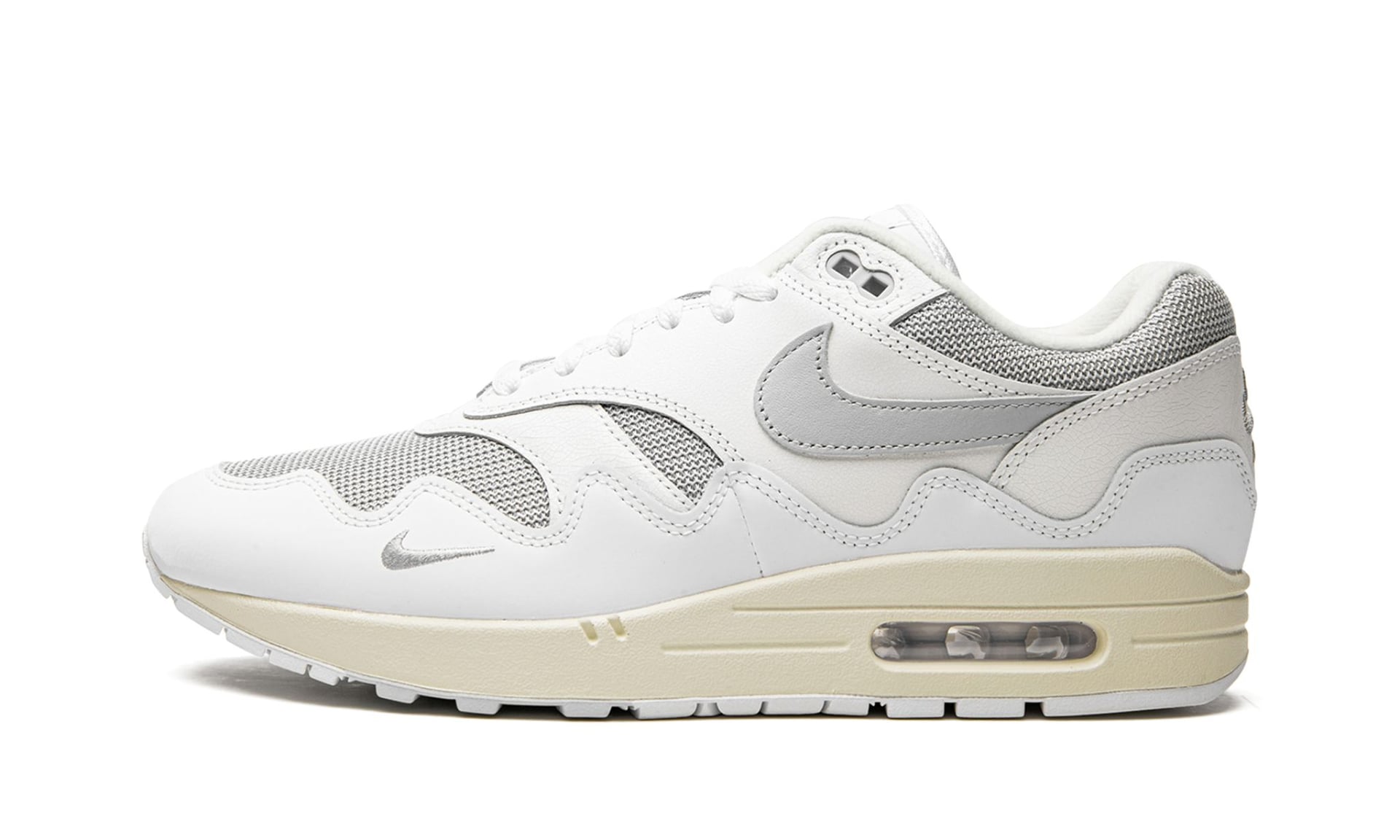
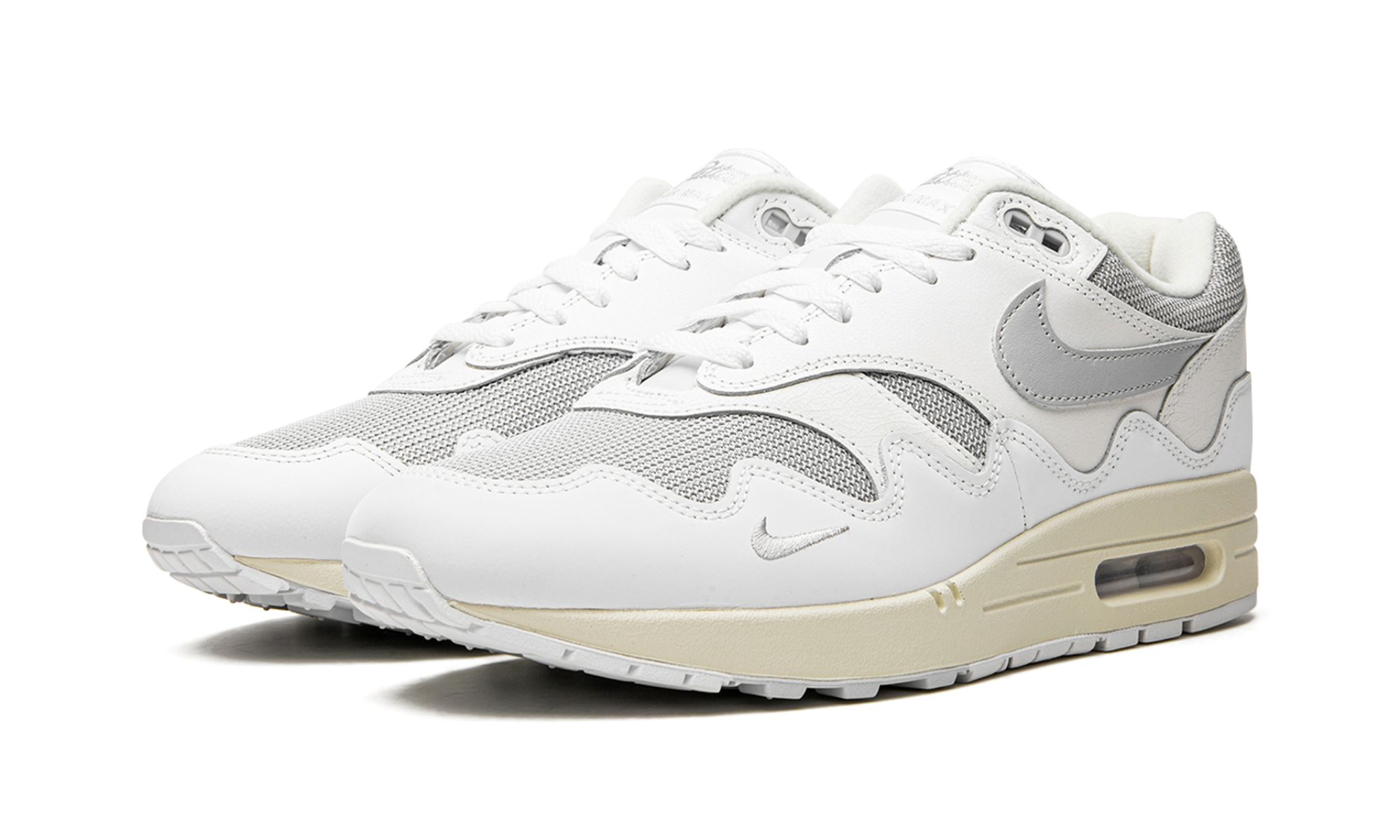
The Nike Air Max 1 debuted in 1987 as the brand’s first shoe featuring an Air gas cushion visible through a window in the sole. The model was designed by Tinker Hatfield, who drew inspiration from the Centre Pompidou in Paris and its design, which exposes technical elements on the exterior of the building. He applied a similar approach to the shoe, revealing technology that had previously been hidden inside the sole.
The distinctive silhouette features a low profile, a layered upper, and a clearly defined section surrounding the sole. Individual versions vary in the types of leather, suede, mesh, and synthetic materials used, but they retain the proportions and visible cushioning characteristic of the Air Max 1.
The Nike Air Max 1 ’86 Big Bubble pays homage to the model’s early design, featuring a larger air cushion and a wider window in the sole. Nike recreated the original design based on scans of preserved pairs to replicate as accurately as possible the shape of the Air unit used prior to the model’s official release.
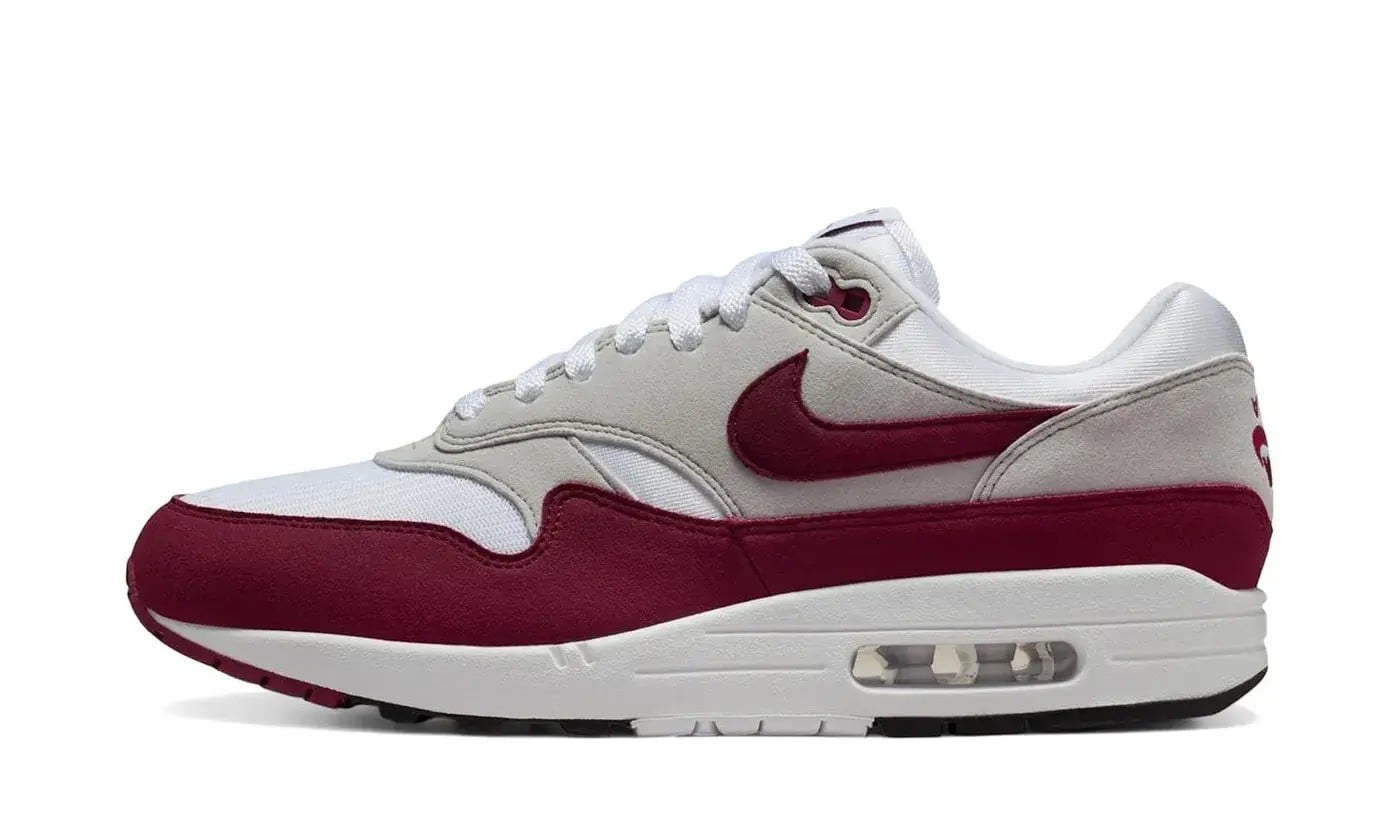
The collection includes, among others, the Nike Air Max 1 ’86 OG Big Bubble Sport Red. In this version, the white and gray base is complemented by red panels that pay homage to one of the most iconic original Air Max 1 colorways.
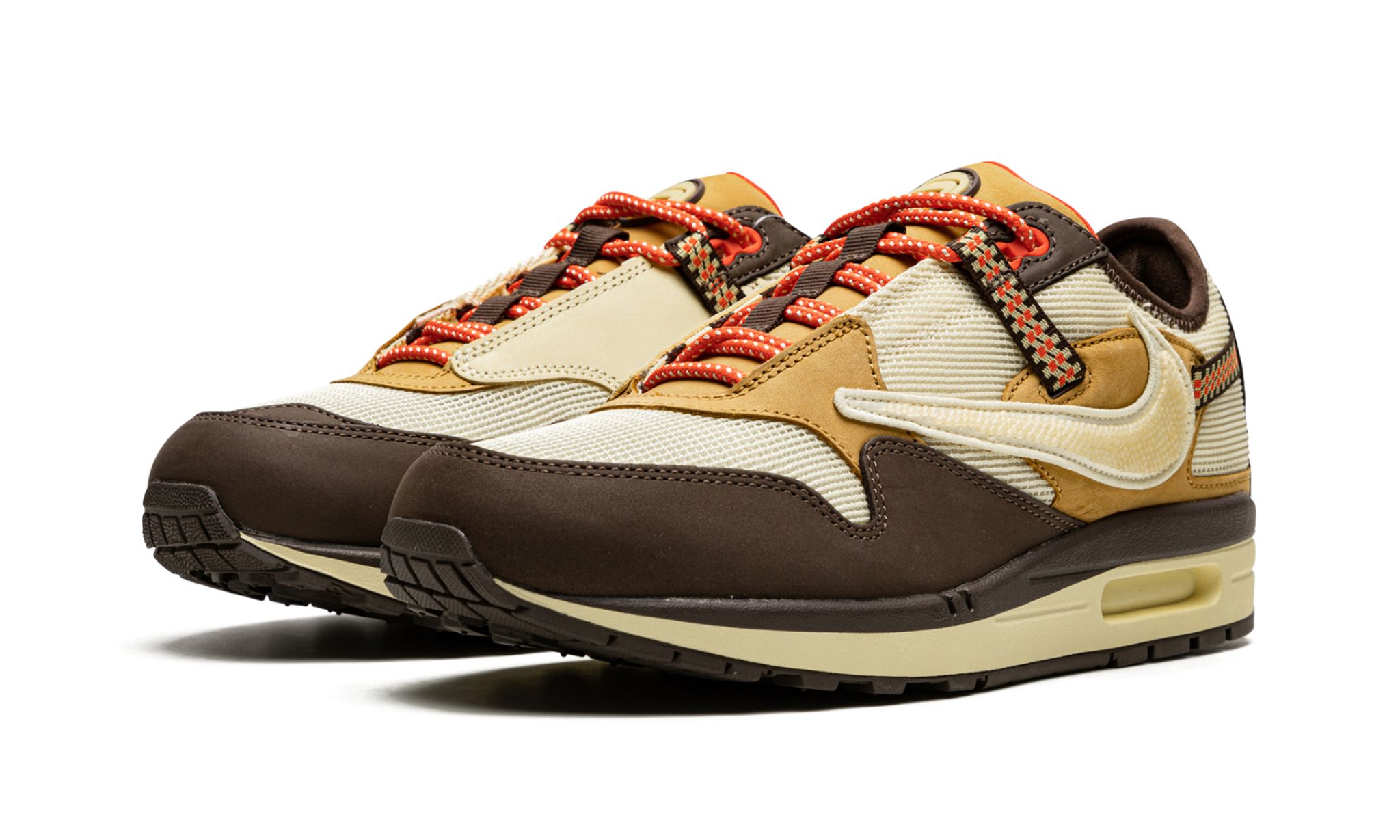
Limited-edition collaborations that build upon the model’s classic design form an important part of the category. The Nike Air Max 1 Travis Scott Cactus Jack is available in versions such as Baroque Brown and Saturn Gold. These designs stand out thanks to a modified panel layout, additional design elements, and Cactus Jack branding.
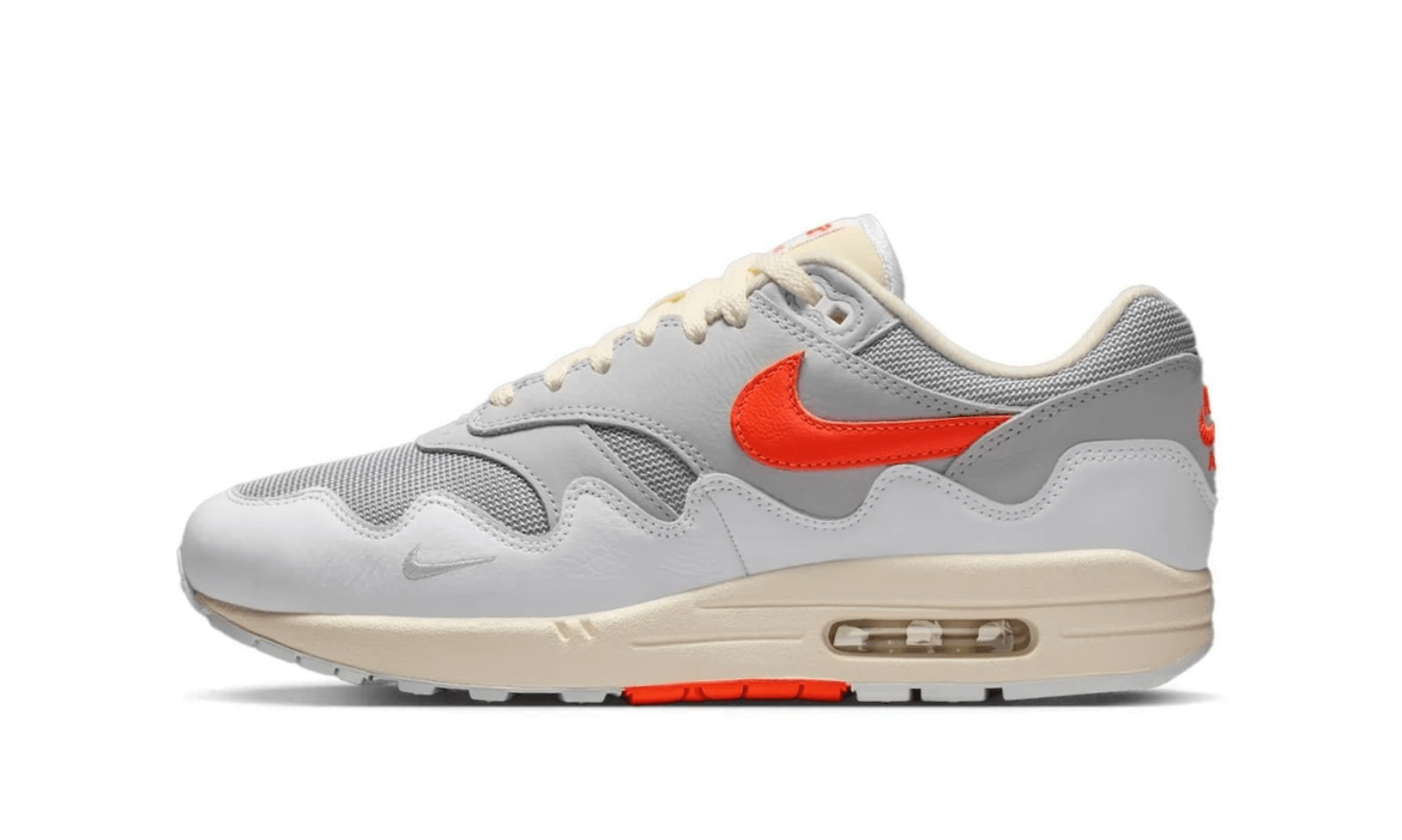
The lineup also includes the Patta White Grey, Patta 20th Anniversary Chlorophyll, and releases from the Waves series. The Waves variants can be recognized by the modified, wavy line of the panel running above the sole. Individual versions differ in colorways but retain the common theme developed for this series.
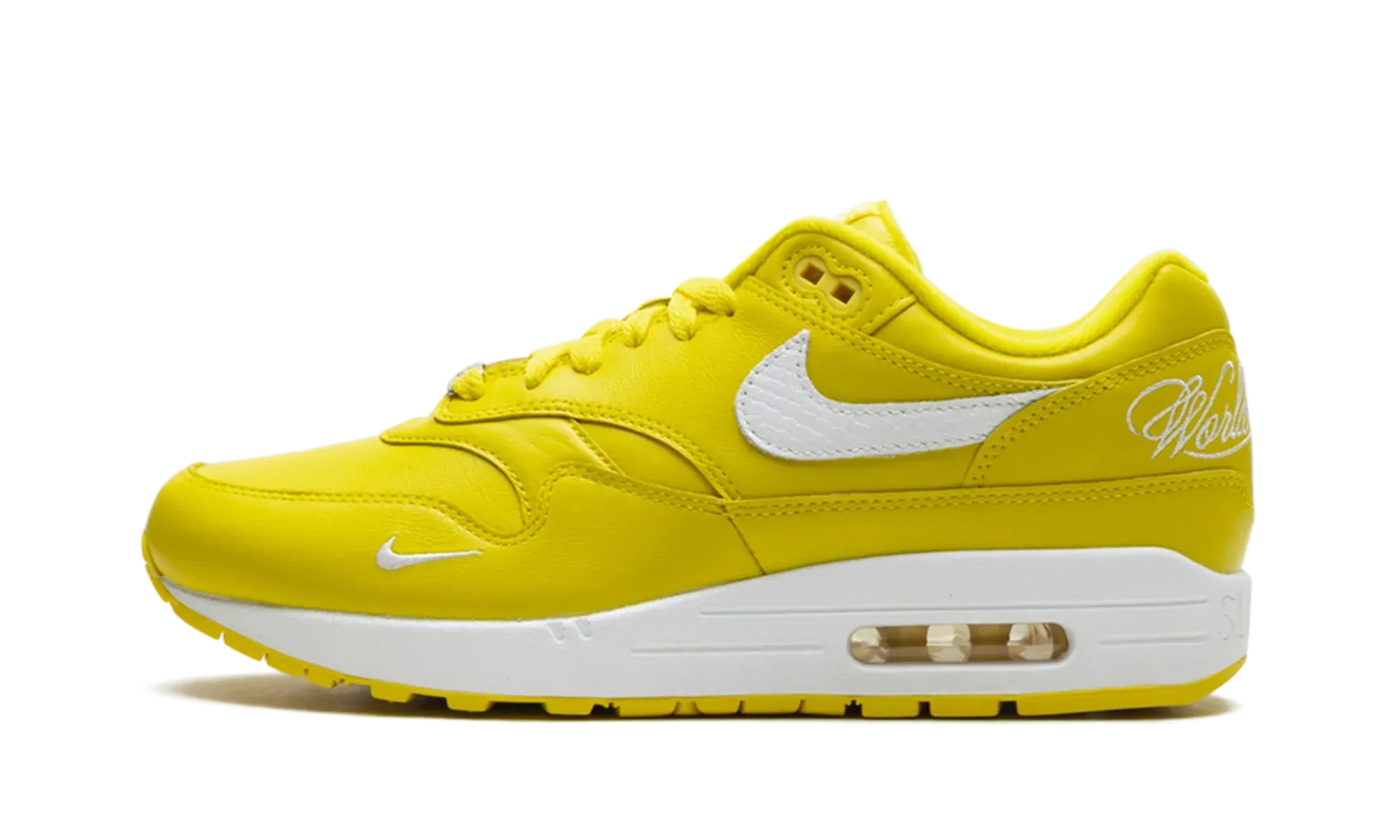
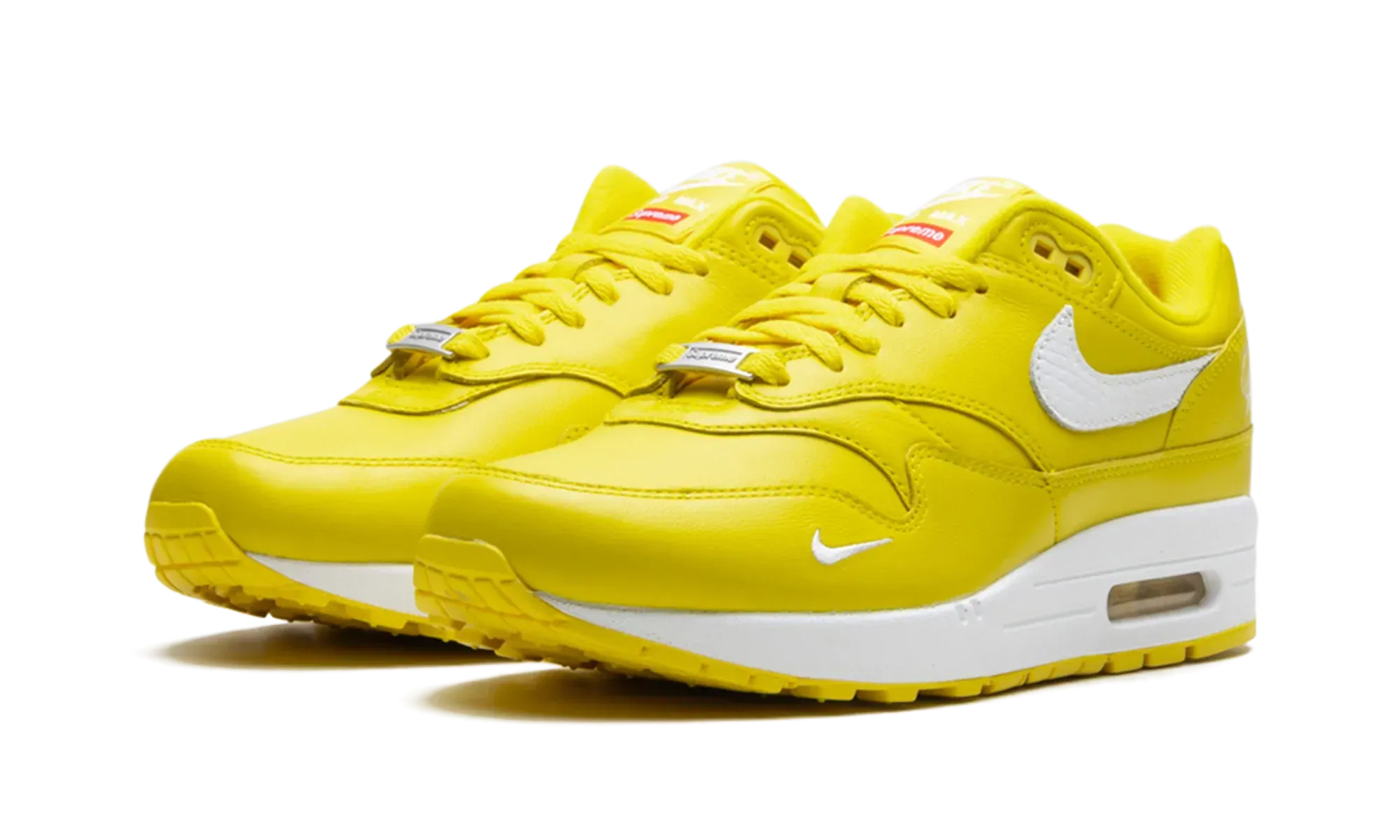
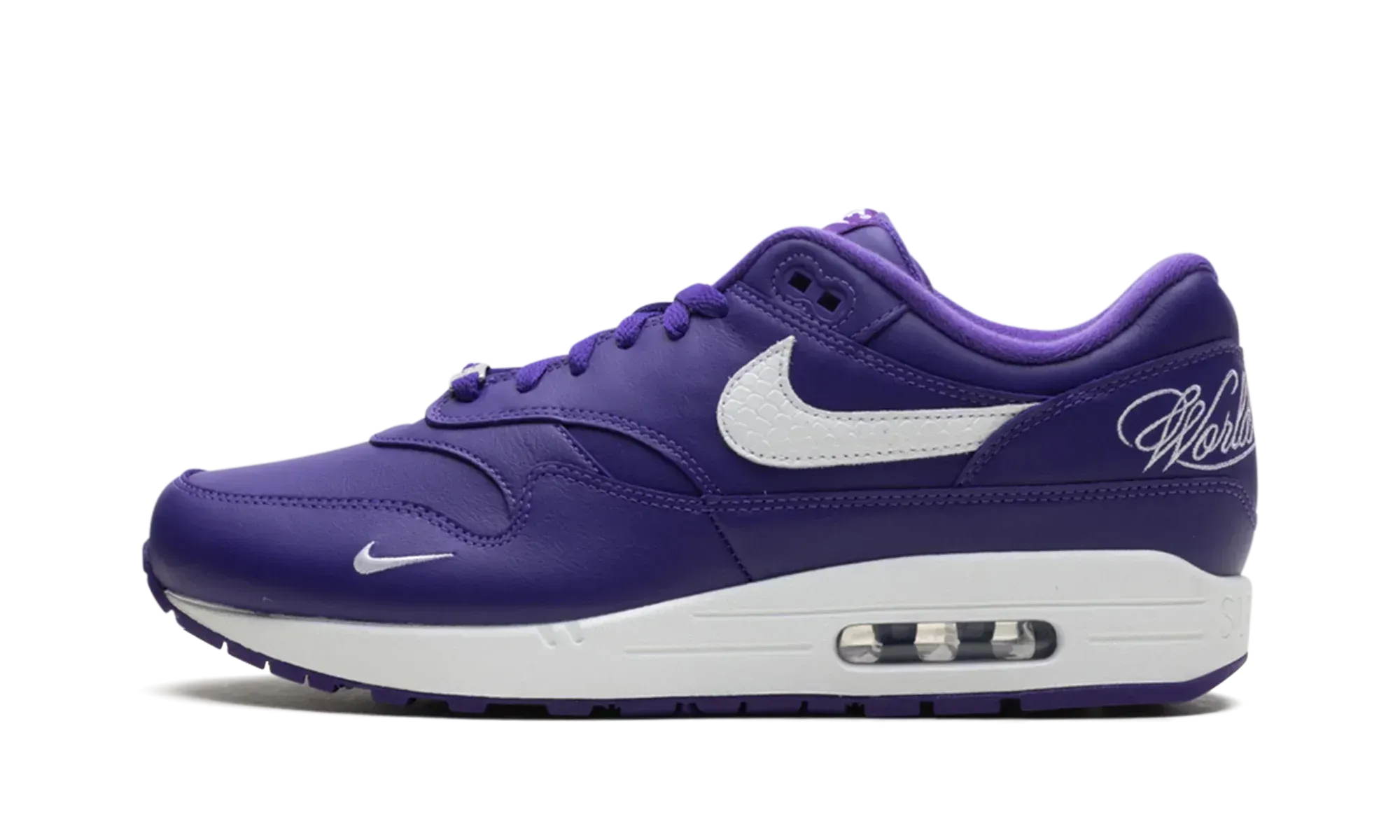
This category also includes the Nike Air Max 1 ’87 SP Supreme in Triple White, Black White, Varsity Purple, and Speed Yellow colorways. The collection features a simple color palette and branding elements associated with the collaboration between the two brands.
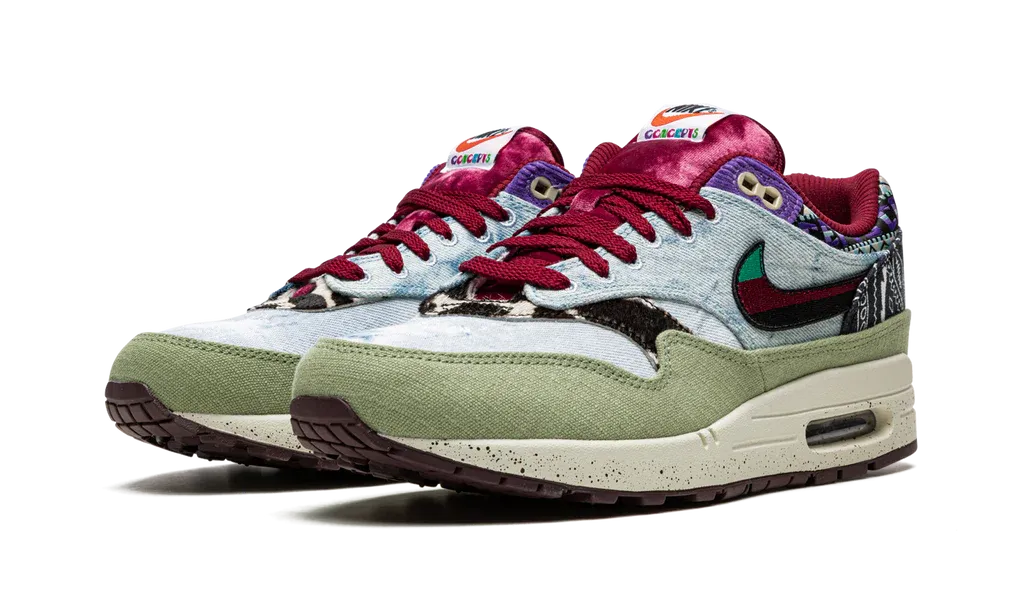
Other designs include, among others, the Nike Air Max 1 Concepts Mellow, Stranger Things Steve Harrington, and the .SWOOSH Low Poly Big Head models. These releases transform the character of the base silhouette through unconventional materials, graphics, digital inspirations, or details specific to each design.
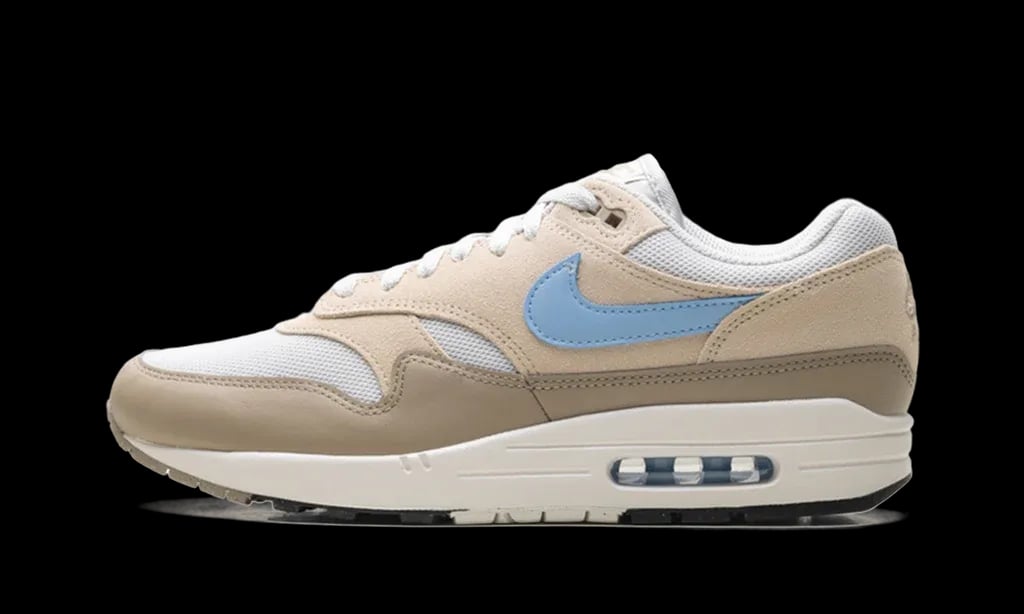
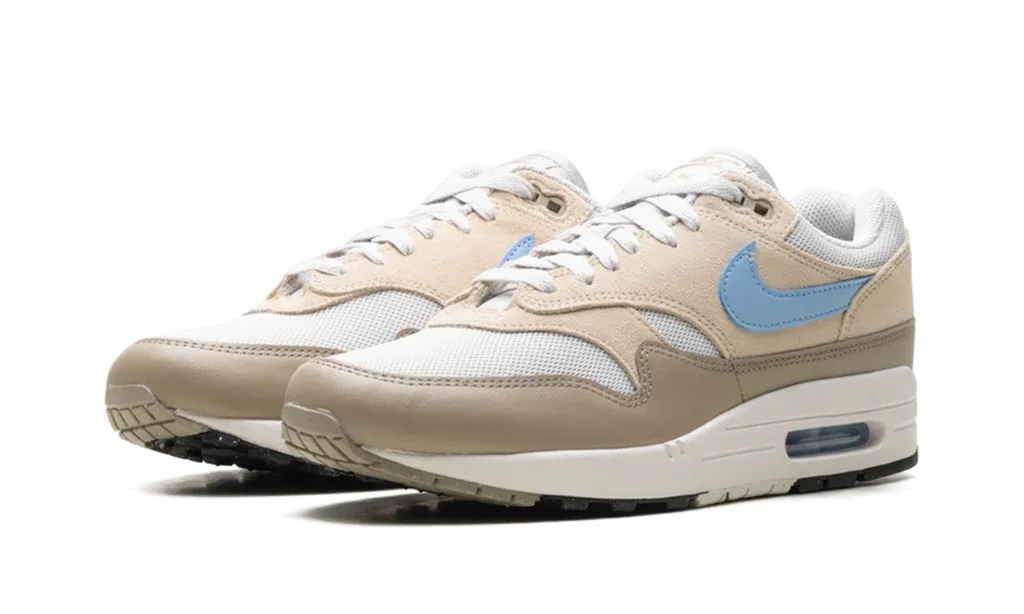
The Nike Air Max 1 Essential represents more basic interpretations of the model. The Off Noir Vast Grey, White Pure Platinum Black, Light Bone Psychic Blue, and Vamps versions feature more subdued color combinations and a classic, layered construction.
The Essential models retain the visible Air cushion in the heel, a foam midsole, and a rubber outsole. They stand apart from the more elaborate collaborations and collector’s editions.
It’s best to choose a Nike Air Max 1 based on its construction, materials, and the nature of the release. The Air Max 1 ’86 Big Bubble stands out with a larger cushioning window; the Essential models retain a more classic finish; while collaborations with Pata, Travis Scott, and Supreme feature modified panels and additional branding.
Standard Air Max 1s generally follow Nike’s typical sizing. People with wider feet or who prefer more room in the forefoot may want to consider going up half a size. It’s best to check the fit based on the information provided for a specific version.
The Nike Air Max 1 debuted in 1987. It was the brand’s first model to feature a visible Air gas cushion through a special window in the sole.
The model was designed by Tinker Hatfield. The visible cushioning design was inspired by the Centre Pompidou in Paris, where the building’s installations and technical elements are displayed on the exterior.
The Air Max 1 ’86 Big Bubble features a larger Air unit and a wider window visible in the sole. The design references an early version of the model developed before its official release.
Most standard versions follow Nike’s typical sizing. If you have wider feet or need more room in the toe box, consider going up half a size and check the recommendations for the specific release.